Coming Soon!
Please contact Grace at grace_chua@sgbc.sg for more information

Please contact Grace at grace_chua@sgbc.sg for more information
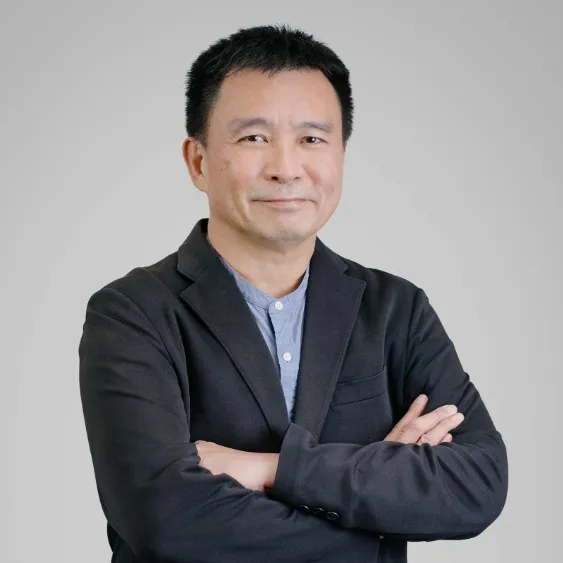
The BCA Green Mark Scheme (GM) is Singapore's green building rating tool, designed for tropical and sub-tropical climates. What began in 2005 primarily focused on energy efficiency has evolved into a comprehensive framework that places occupant health and wellbeing as one of its cores, addressing Indoor Air Quality (IAQ), natural lighting, acoustic comfort, and biophilic design.
As Singapore's cornerstone sustainability tool, GM directly supports the Singapore Green Plan 2030 and Green Building Masterplans, becoming essential as urbanisation and climate challenges intensify.
The COVID-19 pandemic catalysed significant advances through the government's collaborative response works, updating Singapore Standards SS553 and SS554 that incorporate ASHRAE 241 infectious aerosol control standards. These new standards are set to be recognised in the upcoming GM version 7 for enhanced IAQ adoption.
This presentation examines GM's transformative journey towards greater health and wellbeing, tracing key milestones including Indoor Environmental Quality evolution and research comparing GM and non-GM certified buildings' performance and occupant satisfaction.
Moving forward, more research is needed to balance energy efficiency with IAQ in Singapore's tropical context. While Alternative Cooling Technology (ACT) research has addressed energy savings and thermal comfort, limited knowledge exists on ACTs' impact on IAQ, presenting opportunities for international collaboration.
Mr Ang Kian Seng heads the Environmental Sustainability Group in the Building and Construction Authority of Singapore (BCA).
His portfolio includes policies on green buildings and FM transformation, with the BCA Green Mark Scheme as a main lever. The Green Mark scheme certifies buildings on their level of environmental friendliness and energy efficiency. He plays an instrumental role in the formulation and implementation of BCA's Green Buildings Masterplans.
He is the current Member of the Singapore Green Building Council (SGBC). He also sits on the board of directors of the Singapore International Facility Management Association (SIFMA), which is positioning itself to champion the FM industry transformation.
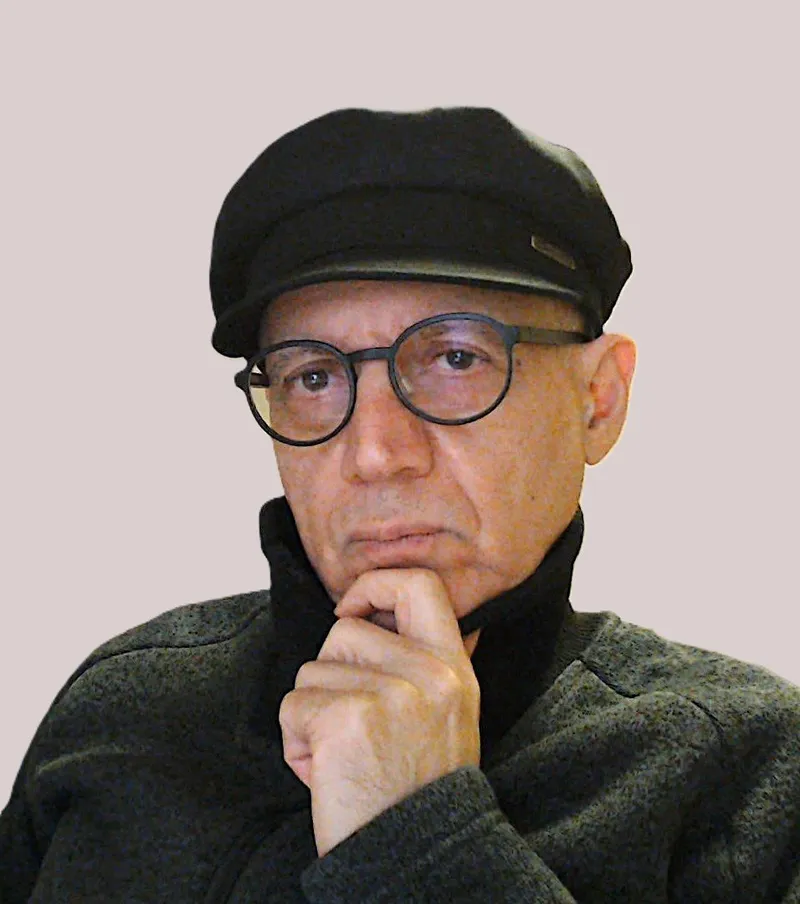
Much of the research and standardisation work on indoor environmental quality has focused on finding a conclusive answer to a seemingly simple question: "What are the optimal indoor environmental conditions for human occupancy?" Despite extensive past efforts, a definitive answer to this question remains elusive.
The reason for this may not necessarily lie in specific knowledge gaps. Rather, the challenge may stem from tacit assumptions that the question itself is both coherent and capable of having a precise answer.
Inspired by insights from philosophy, art, and science, this talk critically revisits what appears to be the prevailing paradigm in indoor environmental quality research. Drawing on the concepts of pragmatism and precision, the presentation explores alternative perspectives on how adequate indoor environmental conditions in buildings might be defined, understood, and maintained.
University Professor Dr. Ardeshir Mahdavi is an internationally recognised expert, researcher, and educator in Building Science. His research spans building physics, building performance simulation, design computing, building controls and diagnostics, building ecology, indoor environmental quality, and human ecology.
Prior to his current affiliations with Graz University of Technology (TU Graz, Austria) and the Vienna University of Economics and Business (WU Wien, Austria), Professor Mahdavi held academic positions at Carnegie Mellon University (CMU, Pittsburgh, USA) as a tenured Full Professor of Building Physics; at the Technical University of Vienna (TU Wien) as Chair of the Department of Building Physics and Building Ecology; and at the National University of Singapore (NUS) as Visiting Professor of Building Science.
Professor Mahdavi has published over 700 scientific papers and supervised more than 65 doctoral students. He is the recipient of the IBPSA Distinguished Achievement Award from the International Building Performance Simulation Association.
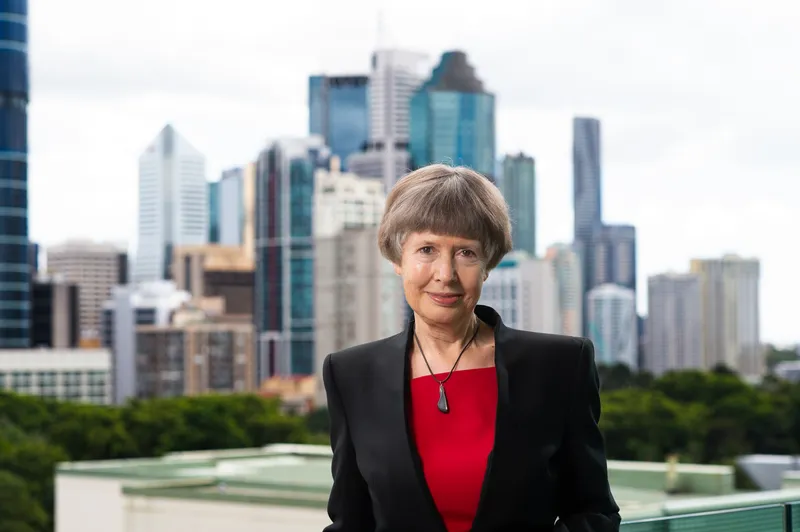
To control a complex system, understanding it is fundamental. In recent decades, the scientific understanding of every aspect of the building-person-environment system has expanded enormously thanks to the interdisciplinary efforts of experts from all scientific, engineering, public health, and related practice disciplines.
However, understanding alone is not enough to guarantee the optimal functioning of a complex system. It is necessary to monitor its performance and use this information to continuously adjust it to changing external and internal conditions, human needs, and energy demands.
With the advent of generative AI in the design and operation of buildings, it is now possible to consider a wide range of design and usage options, taking into account climate projections, regulatory requirements, material characteristics, and local conditions.
Ultimately, however, unless this knowledge is accepted and its use is protected by building design and performance regulations, society will benefit little from it. The future of indoor air quality lies in the societal recognition that it is a necessity and in the political will to act accordingly.
Distinguished Professor Lidia Morawska is a leading expert in air quality and its impact on human health and the environment, with a particular focus on the science of airborne particulate matter. She is Distinguished Professor at the Queensland University of Technology (QUT), Brisbane, Australia, and Director of the International Laboratory for Air Quality and Health at QUT, a World Health Organization (WHO) Collaborating Centre for research and training in air quality and health. She also serves as Centre Director for the ARC Training Centre for Advanced Building Systems Against Airborne Infection Transmission (THRIVE) hosted at QUT.
Professor Morawska holds additional positions as Vice-Chancellor Fellow at the Global Centre for Clean Air Research (GCARE), University of Surrey, UK, and Adjunct Professor at the Institute for Environmental and Climate Research (ECI), Jinan University, Guangzhou, China.
A physicist by training, she received her doctorate from Jagiellonian University, Krakow, Poland. She has authored over 1,100 journal papers, book chapters, and refereed conference papers. At the executive level, she has contributed to numerous national and international professional bodies and currently acts as an advisor to the WHO. She is a Member of the American Academy of Arts and Sciences, a Fellow of the Australian Academy of Science, and a Fellow of the Academy of Technological Sciences and Engineering.
Professor Morawska has received numerous awards, including inclusion in the 2021 TIME100 list of the world's most influential people and the L'Oréal-UNESCO For Women in Science International Award, recognised "for her excellent research in air pollution and its impact on human health and the environment, with a focus on atmospheric particulate matter, and for translating fundamental science into real-world policy and practice to provide clean air for all.

This keynote frames the current moment as a critical inflection point in the trajectory of indoor air quality (IAQ), which is rapidly becoming a central pillar of public health and economic performance. Drawing on recent advancements across science, technology, market practice, and policy, the talk traces how decades of incremental progress are converging to create the conditions for rapid, large-scale adoption.
The presentation highlights four reinforcing trends. First, awareness has expanded significantly, elevating healthy indoor air as essential infrastructure in the contexts of health, resilience, and human performance. Second, research has matured, with growing evidence linking indoor air to cognitive function, creativity, and productivity, thereby strengthening the business case and long-term value creation. Third, innovation and research and development are accelerating, enabling more precise measurement, continuous monitoring, and scalable interventions that operationalise health outcomes. Finally, the talk examines a turning point in advocacy and policy, with emerging policies, incentives, performance standards, and global initiatives signalling a shift toward systemic change.
Taken together, these dynamics suggest that the field is approaching a "hockey stick" moment, where exponential progress becomes possible—helping to meet this imperative and realise the goal of establishing healthy indoor air as a foundational component of 21st-century public health.
Rachel Hodgdon is President and CEO of the International WELL Building Institute (IWBI), where she leads a global movement to advance people-first places.
Under her leadership, WELL has grown to more than 6 billion square feet of space across 135 countries, impacting 30 million people daily and adopted by over 180 Fortune 500 and Global 500 companies.
Since joining IWBI in 2016, she has spearheaded the evolution of the WELL Standard and expanded its reach worldwide. Previously at the U.S. Green Building Council, Rachel founded the Center for Green Schools, mobilizing $275 billion toward healthier, more sustainable learning environments.
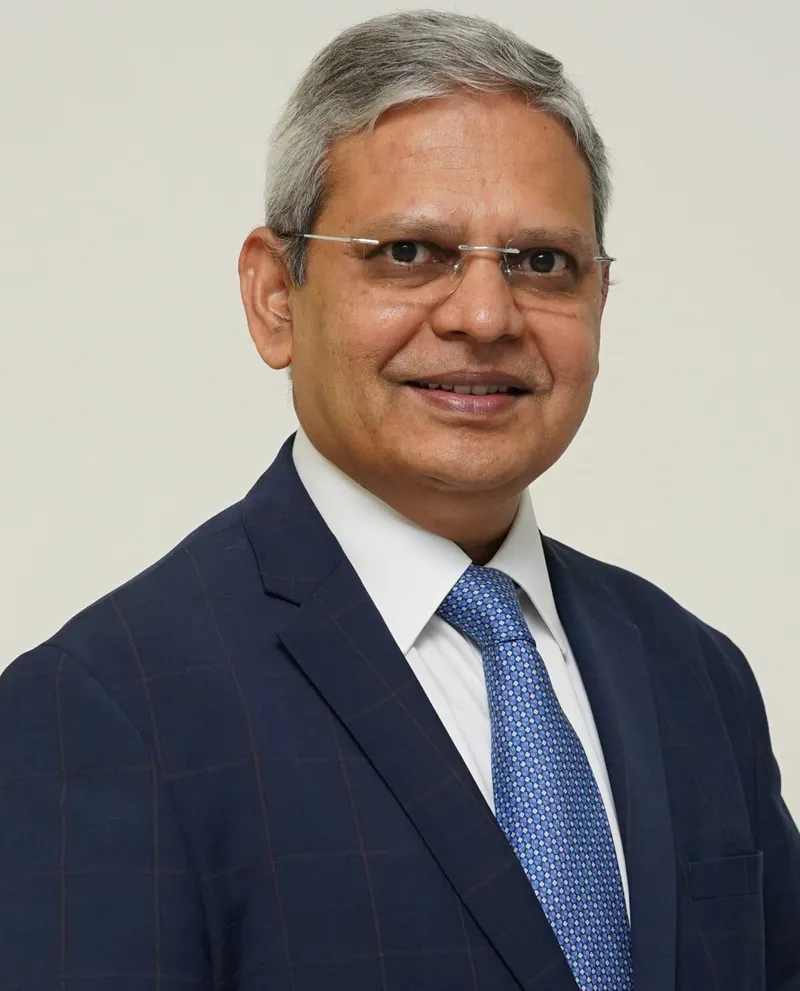
Air pollution remains the single largest environmental risk to human health globally, on par with tobacco use and unhealthy diets. In the Global South, the burden is especially severe: 2.1 billion people still cook with solid fuels, indoor PM2.5 levels often exceed the 2021 World Health Organization Air Quality Guidelines by 40- to 80-fold, and many countries - particularly in Africa - lack enforceable national standards for PM2.5.
This situation is further exacerbated by widespread poor ventilation. In healthcare facilities, inadequate ventilation and overcrowded wards significantly increase the risk of healthcare-associated infections and contribute to the rise of antimicrobial resistance. At the same time, the rapid verticalisation of hospitals, offices, and residential buildings - often with limited or no natural ventilation - further degrades indoor environmental quality. Pollutants and airborne pathogens become trapped within these spaces, amplifying both communicable and non-communicable disease burdens across the lifespan.
This keynote traces how the physics of airborne harm has long been understood - from the early observations of Hippocrates and the ventilation reforms championed by Florence Nightingale, to modern quantitative frameworks such as the Wells–Riley equation. Yet despite this longstanding knowledge, institutional responses have continued to lag.
Drawing on guidance from the World Health Organization and modelling from the World Bank, the keynote calls for stronger convergence between the public health, infection prevention, and indoor air quality communities. It concludes with practical innovation provocations aimed at accelerating solutions for the Global South.
Dr. Ranga Reddy Burri is President of the Infection Control Academy of India (IFCAI) and an Honorary Professor at the University of Hyderabad. A leading voice in infection prevention, antimicrobial resistance (AMR) containment, and health system resilience, he has spearheaded multiple initiatives to advance public health capacity in the Global South.
Dr. Burri has led regional and international collaborations through platforms such as G-SPARC, strengthening education, training, and policy frameworks for infection prevention and control (IPC) and AMR across Asia, the Middle East, and Africa. His current work focuses on integrating One Health perspectives into AMR containment and patient safety strategies.
A recognised expert and advocate for innovation-driven public health, he brings over three decades of experience across academia, civil society, and leadership, bridging science, systems, industry, and policy. His keynote reflects his commitment to elevating indoor air quality as a cornerstone of public health equity in the Global South.
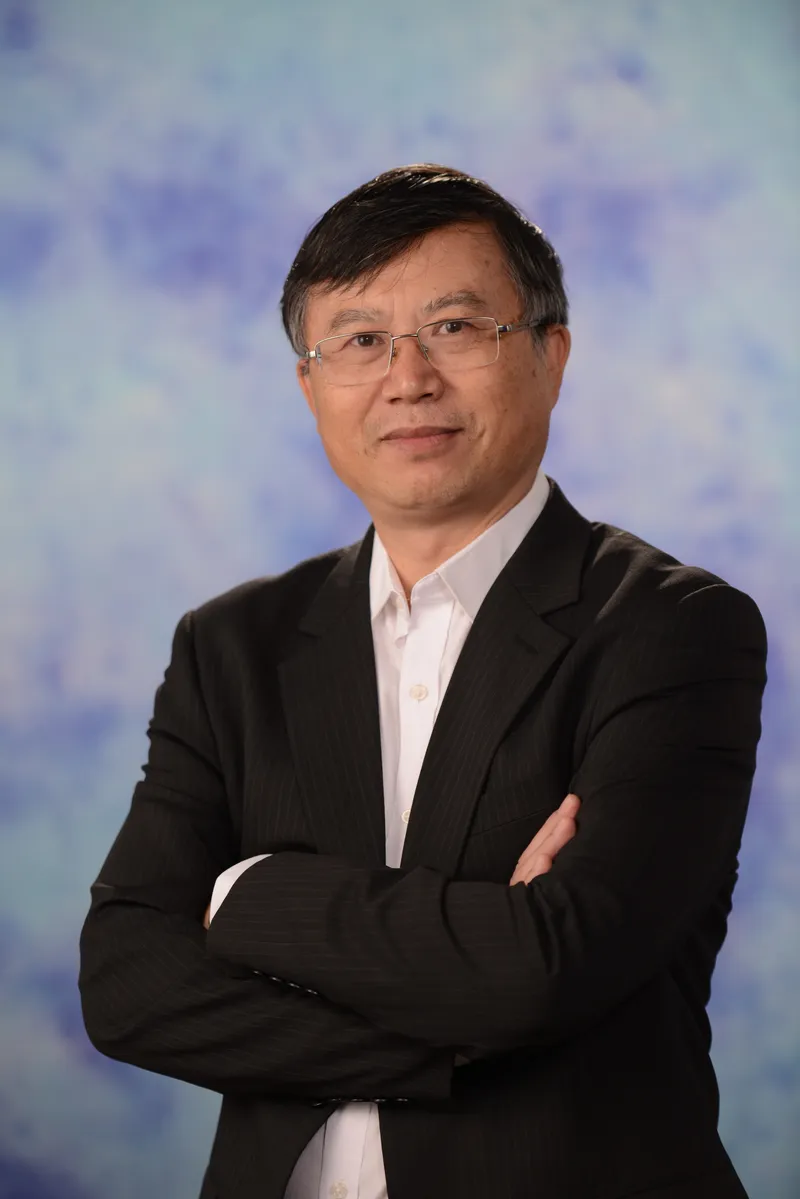
Indoor environments sit at the interface between humanity and nature. Over centuries, indoor air science has evolved from addressing basic shelter and storage needs to tackling the existential challenges of climate change and health equity today. Building on the insights of early pioneers, the global research community has transformed this understanding into the standards that define modern buildings.
Yet, every advance has also created new challenges. Sealing buildings for energy efficiency can trap pollutants, while surging air-conditioning demand drives a vicious climate feedback loop. The COVID-19 pandemic revealed how indoor air quality shapes health, productivity, and economies - already costing billions each year. Short-term thinking continues as new materials enter markets without adequate emission and health testing.
Breathing clean indoor air is a fundamental human right, yet deep socioeconomic disparities have created a significant IAQ divide, disproportionately affecting vulnerable populations. The Global South - home to more than 80% of humanity and most future growth - faces the greatest burden but also holds a historic opportunity to lead the necessary transformation.
Overcoming these challenges will require systems thinking, a new human - material symbiosis, and truly scalable solutions. Indoor air science empowers us to harness technology to create a more sustainable, resilient, and equitable future for our built environments.
Professor Yuguo Li is Chair Professor of Building Environment at The University of Hong Kong. His research focuses on city climate, infection transmission, and sustainability engineering. His team investigates ventilation requirements for mitigating SARS-CoV-2 transmission and explores resilient city design technologies. Their work, both prior to and during the pandemic, has helped redefine the transmission mechanisms of respiratory infections.
Professor Li serves as a member of the World Health Organization (WHO) Infection Prevention and Control Guidance Development Group (IPC GDG) and is the Founding Editor-in-Chief of Indoor Environments, the official journal of the International Society of Indoor Air Quality and Climate (ISIAQ).
He is a Fellow of the Hong Kong Academy of Engineering Sciences, where he currently serves as Honorary Secretary. He has received numerous honours, including the Pettenkofer Award (ISIAQ), the Guanghua Engineering Science and Technology Prize (China), the Medal of Honour from the HKSAR Government, and an honorary doctorate from Aalborg University.
Professor Yuguo Li is Chair Professor of Building Environment at The University of Hong Kong. His research focuses on city climate, infection transmission, and sustainability engineering. His team investigates ventilation requirements for mitigating SARS-CoV-2 transmission and explores resilient city design technologies. Their work, both prior to and during the pandemic, has helped redefine the transmission mechanisms of respiratory infections.
Professor Li serves as a member of the World Health Organization (WHO) Infection Prevention and Control Guidance Development Group (IPC GDG) and is the Founding Editor-in-Chief of Indoor Environments, the official journal of the International Society of Indoor Air Quality and Climate (ISIAQ).
He is a Fellow of the Hong Kong Academy of Engineering Sciences, where he currently serves as Honorary Secretary. He has received numerous honours, including the Pettenkofer Award (ISIAQ), the Guanghua Engineering Science and Technology Prize (China), the Medal of Honour from the HKSAR Government, and an honorary doctorate from Aalborg University.

A/Prof. Moshood Olawale Fadeyi is an Associate Professor at the Singapore Institute of Technology, specialising in cognitive governance and value-oriented diagnostic reasoning and problem solving in indoor air quality and sustainable building engineering, using a research-as-practice approach.
He is an architect, a Chartered Engineer (UK), and a Chartered Construction Manager (UK). He holds degrees in architecture (BSc, M.Arch), building science (MSc), and engineering (PhD) from Obafemi Awolowo University (Nigeria), the National University of Singapore, and the Technical University of Denmark.
He is a pioneering global scholar in the development of communication solutions, as cognitive and emotional tools, through research-as-practice, advancing engineering education practice, and strengthening human capability for value-oriented problem-solving.
Professor Rajasekhar Balasubramanian's research interests cut across environmental sustainability, climate change and urban air quality. The main goal of his interdisciplinary research is to advance understanding of environmental and health impacts of air pollution on scales ranging from local to global. His work provides policy-relevant scientific inputs and contributes to development of cost-effective technologies to mitigate adverse impacts of air pollution.
He has led multi-national collaborative projects related to assessment and mitigation of personal exposure to airborne particles. He is currently spearheading an international research programme that aims at improving air quality in cities through global alliance with premier universities. He is one of the Lead Authors for the UN Environment Programme's Global Environment Outlook, focusing on cross-cutting issues on environment and health.
He is a member of the science panel of APCAP (Asia-Pacific Clean Air Partnership), appointed by UNEP (United Nations Environment Programme). He is a recipient of many research awards, notably the PROSE (Professional and Scholarly Excellence) award in recognition of his contribution to the recently published Global Environment Outlook (GEO-6) Report. He is a Fellow of the Royal Society of Chemistry.

Dr. Yang Junjing is the Head of Built Environment Branch at Environmental Health Institute of National Environment Agency. Dr. Yang received her PhD in Built environment from National University of Singapore, MSc from the University of Reading, UK; and BEng from Tongji University.
Dr. Yang has rich experiences in Ventilation, Indoor Air Quality, bioaerosol, and building energy efficiency. Her work has supported operations and policies and has been translated into teaching materials, local and international standards. Dr. Yang has more than 48 publications and is currently the member of several IAQ and ventilation Standards both internationally and locally.
She is an active member of ASHRAE, ISIAQ and IBPSA and was ASHRAE Singapore Chapter President.
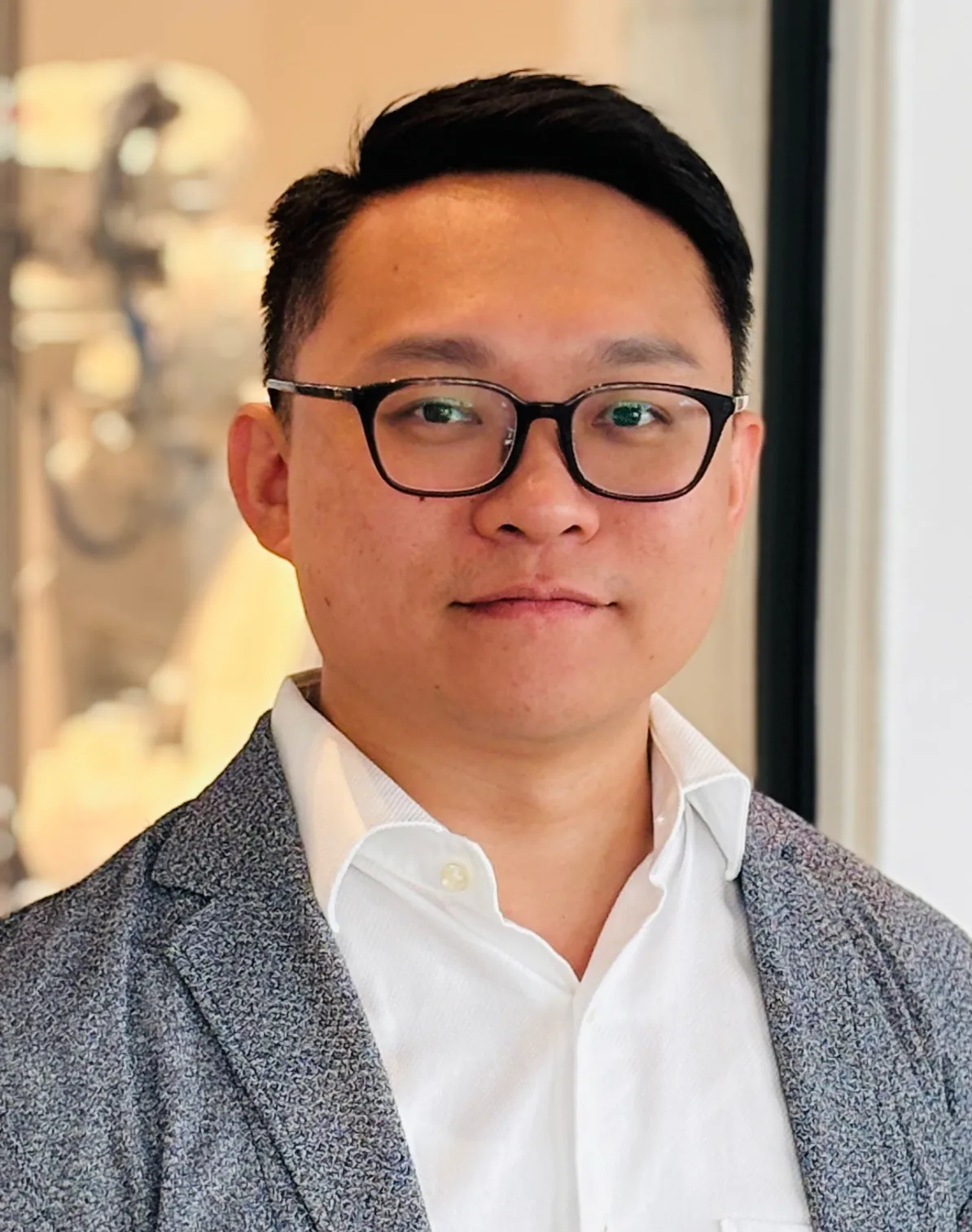
Dr. Toby Cheung is a General Manager at Kajima Technical Research Institute Singapore (KaTRIS), Kajima Corporation, where he is involved in research and development related to indoor environmental quality, thermal comfort, and human-centric building design. He has an academic background in building science and has previously worked with the Center for the Built Environment at UC Berkeley and the National University of Singapore. His research has contributed to international efforts such as thermal comfort databases, design tools, and guidance on cooling fan design and operation.
At KaTRIS, Dr. Cheung works at the interface of academic research and industry practice, translating scientific knowledge into real-world applications through living laboratories such as The GEAR, a mixed-mode smart wellness building in Singapore. His work includes research on semi-outdoor workspace design and operation, occupant behaviour and comfort, and the use of smart wearable sensing to better understand human-environment interactions.
His career experience spans academia, applied research, and industry-based R&D, enabling him to share perspectives on diverse career pathways and the practical application of research skills in the built environment field.
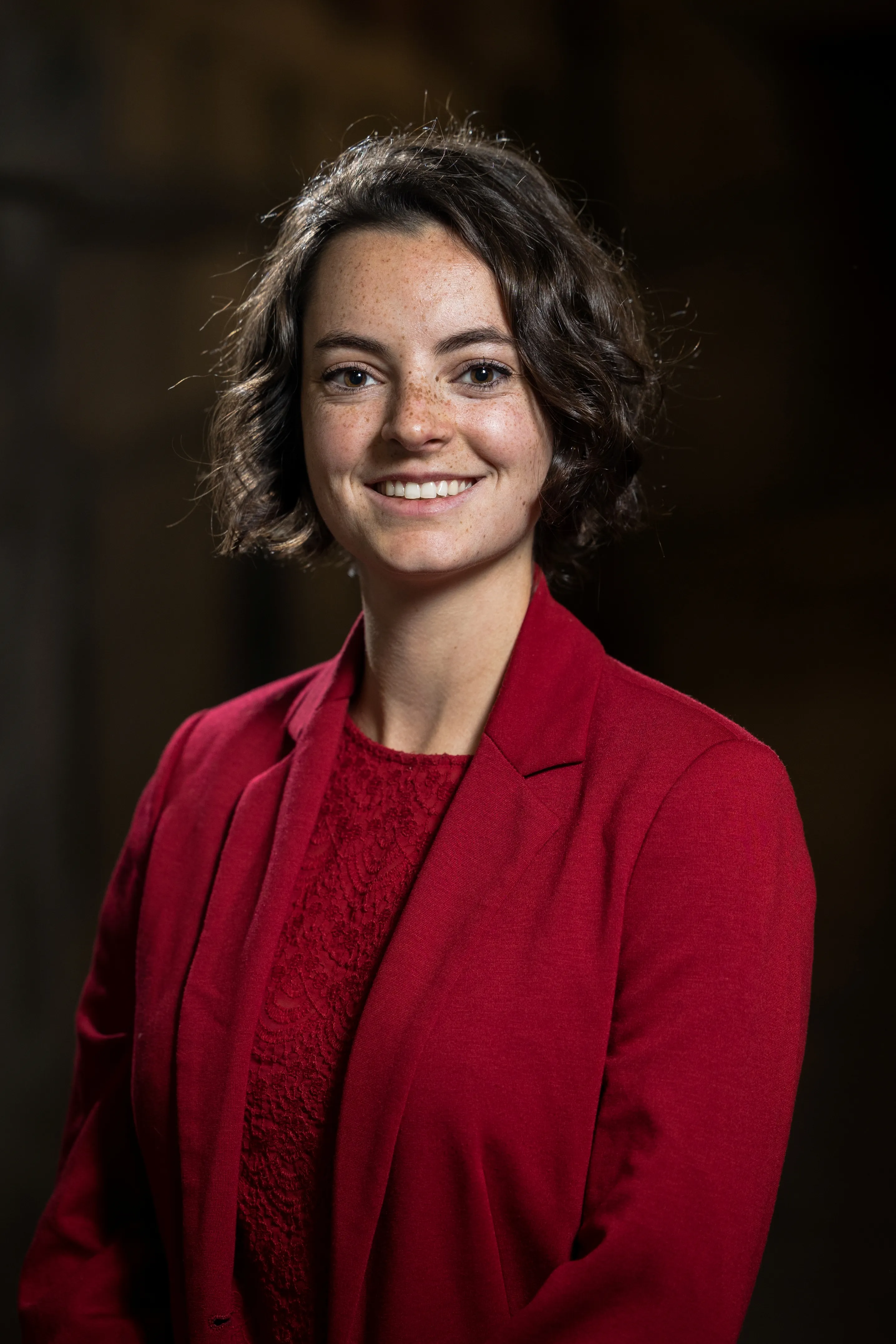
Rachel is a third-year PhD candidate in Civil, Environmental and Architectural Engineering at Worcester Polytechnic Institute, advised by Professor Shichao Liu. She received her Bachelors degree in environmental engineering at Lafayette College in 2023.
Her research focuses on indoor wildfire smoke transport and contamination as well as human decision-making during wildfire smoke events. Rachel is an NSF Graduate Research Fellowship and ASHRAE Grant in Aid awardee for her research.
She served as the ISIAQ student representative for a two year term from 2024-2026.

Jeffrey Siegel, Ph.D., is a Professor of Civil and Mineral Engineering and a member of the Hub for Advancing Buildings at the University of Toronto and a Bahen/Tanenbaum Chair in Civil Engineering. He holds joint appointments at the Dalla Lana School of Public Health and the Department of Physical & Environmental Sciences. He has an M.S. and Ph.D. in Mechanical Engineering from the University of California, Berkeley as well as a B.Sc. from Swarthmore College. He is internationally recognized for his work on indoor air quality and air cleaning and is a fellow of ASHRAE and a member of the Academy of Fellows of the International Society for Indoor Air and Climate (ISIAQ). His research interests include healthy and sustainable buildings, filtration and air cleaning, ventilation and indoor air quality, control of indoor particulate matter, cognitive impacts of indoor air quality, and the impact of building systems on indoor microbiology and chemistry. Prior to his position at the University of Toronto, Dr. Siegel was an Associate Professor at The University of Texas at Austin.
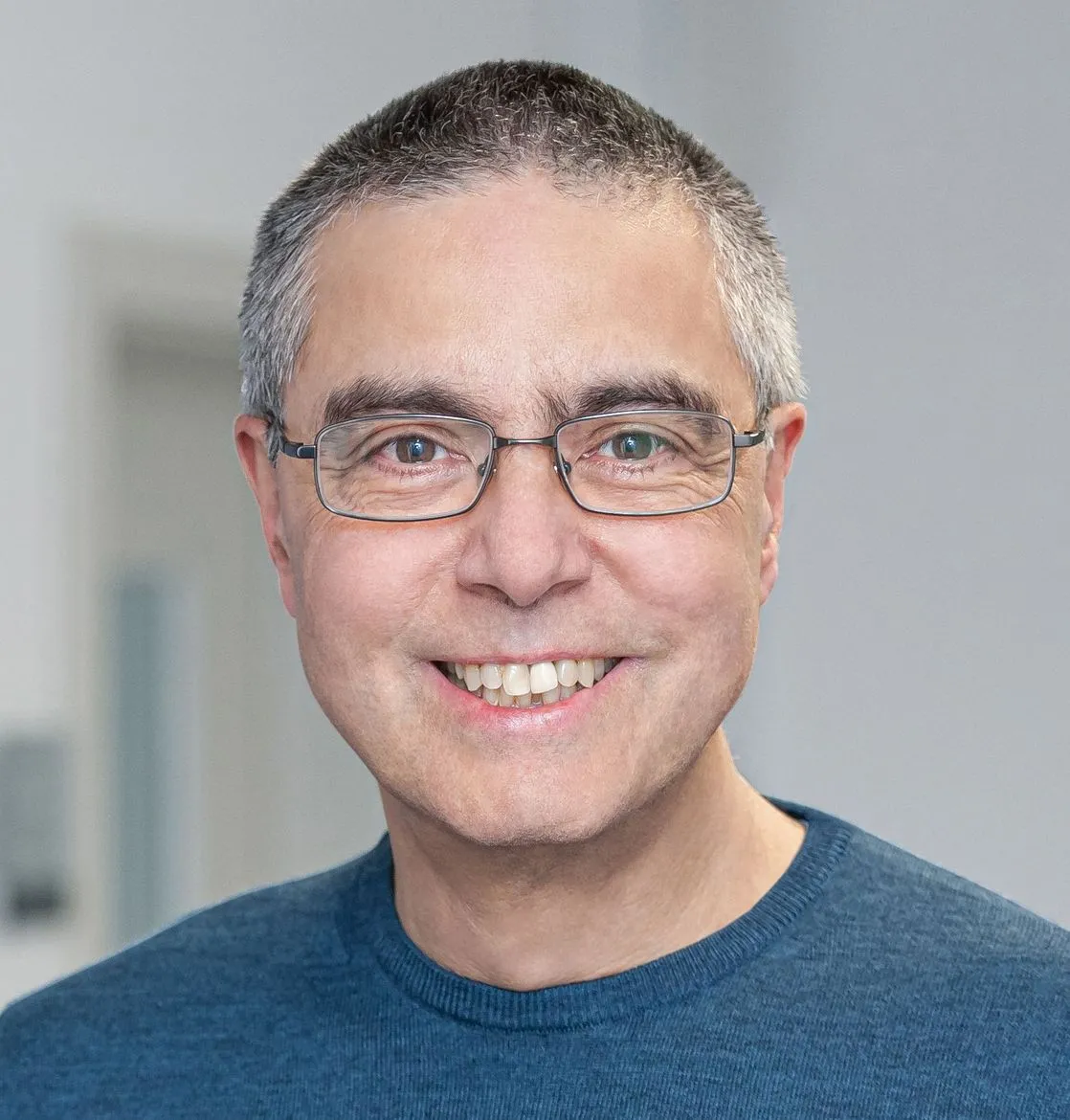
Tunga Salthammer earned a Doctor of Natural Science degree in Physical Chemistry from the Technical University of Braunschweig, Germany. He joined the Fraunhofer WKI in 1990 and is the deputy director of the institute. Since 2007, Salthammer has been an Adjunct Professor at the Queensland University of Technology (QUT) in Brisbane, Australia. In June 2008, he received his habilitation from the Faculty of Life Sciences at the Technical University of Braunschweig and was appointed as a Professor in December 2012. Salthammer has been a Visiting Professor at the Technical University of Denmark (DTU) in Lyngby, at Tsinghua University in Beijing and at the Central South University of Forestry and Technology in Changsha. He is a member of the Indoor Air Hygiene Commission (IRK) of the German Federal Environment Agency (Chairman 2012 - 2021) and a guest member of the German Committee on Indoor Air Guide Values (AIR). Since 2008, he has been serving as an elected member of the ISIAQ Academy of Fellows (President 2014-2016) and received the Academy's Pettenkofer Award in 2020. His research interests include analytical chemistry, VOC/SVOC emission studies on indoor materials using test chambers and cells, indoor chemistry, airborne particles, and settled house dust.

Professor Cath Noakes OBE is the Deputy Pro Vice Chancellor Research and Innovation and Professor of Environmental Engineering for Buildings at the University of Leeds, UK. She is a chartered engineer with substantial experience leading research into buildings and health, particularly around ventilation, air quality and infection control.
She has worked closely with policy particularly during the COVID-19 pandemic, including contributing to the UK SAGE committee, NHS guidance on healthcare environments, WHO groups, and work with the Royal Academy of Engineering.
She is currently one of the interdisciplinary experts in the UK Research Excellence Framework exercise which assesses national research quality, environment and impact.

Offbeat Singapore is a quirky and fun-loving walking tour company dedicated to exploring the lesser-known, hidden sides of Singapore. Their tours dive deep into the city's rapidly changing landscape, shedding light on vanishing crafts, fading personalities, diverse architecture, and nostalgic memories of the past.
Whether you're a first-time visitor or a long-time resident, Offbeat Singapore's carefully crafted routes will take you off the tourist trail and into the heart of neighbourhoods that most people walk right past-revealing stories, people, and places that make Singapore truly unique.


The Feast of Fury puzzle hunt is an outdoor mystery adventure that brings exploration to life. Players journey through iconic areas of Chinatown to uncover the rich heritage by solving mind-boggling puzzles. This game also includes a ticket into the Chinatown Heritage Centre.
All you have to do is purchase a ticket online, and head to the Heritage Centre on the selected date to pick up your game kit!

The Untamed Paths offers immersive, wildlife-focused eco-experiences that encourage participants to explore local wildlife. Their hands-on excursions combine environmental education with adventure, inviting people of all ages to engage their curiosity and discover lesser-known flora and fauna.
Through thoughtful programming and passionate wildlife experts, The Untamed Paths fosters environmental stewardship and lifelong learning, making nature exploration accessible and deeply meaningful for all.

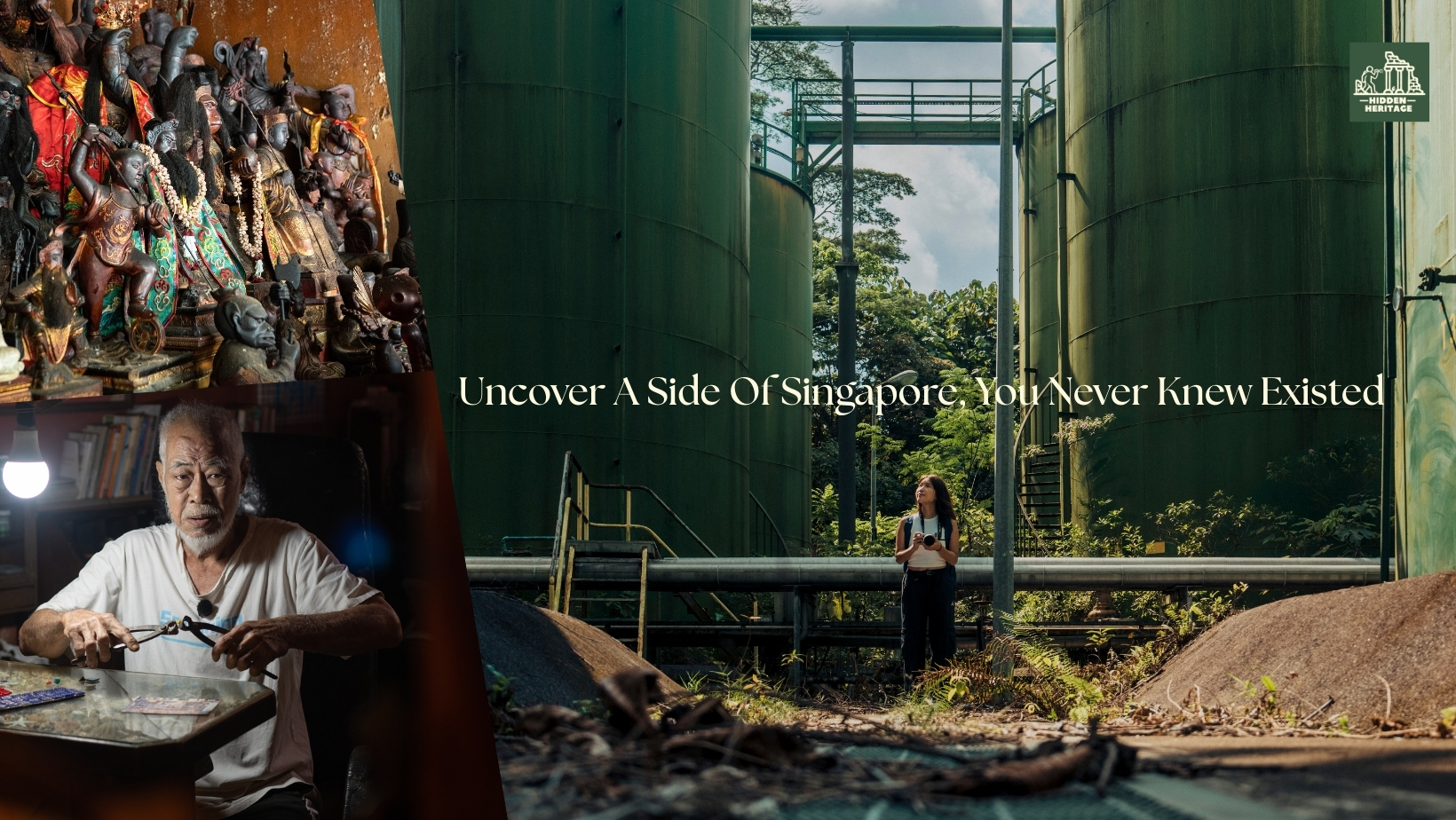
Hidden Heritage develops immersive tours and educational learning journeys for individuals, schools, corporate groups, and brands seeking meaningful cultural engagement and storytelling. Forget your usual walks in town—Hidden Heritage specialises in bringing curious learners into the depths of Singapore's lesser-known side in a safe and engaging way.
Their experiences combine heritage, nature, and a sense of adventure, allowing participants to exclusively explore spaces, stories, and histories that are often overlooked. With a team of trained and licensed tour guides, every participant walks away with an unforgettable experience that deepens appreciation of the past to inspire the future.
Social Programme Details